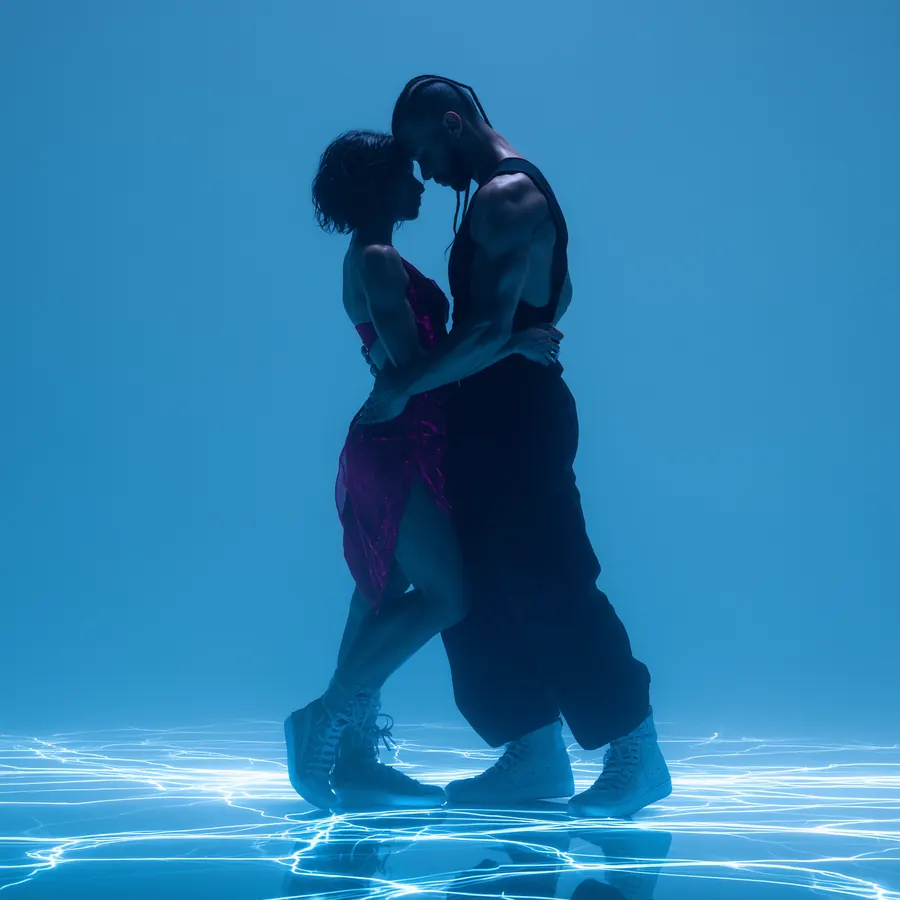
A rhythm on a train platform. A melody recorded on your phone. The room tone before a performance begins. Music often starts with noticing something ordinary closely enough to hear it differently.
Start with a feeling, not a genre.
Choose three words for the atmosphere you want to create. Warm, restless, weightless. Use them to guide your choices of texture, tempo, and space. When you get stuck, return to those words rather than adding another layer.
Build a small collection of sounds you have recorded yourself. A door closing can become percussion; a quiet conversation can suggest a rhythm. You do not need expensive equipment to start listening with intention.
Leave space in the arrangement.
Try removing one element at a time. Which sound is carrying the idea? Which part only makes the track louder? Contrast gives a piece movement: dense and sparse, close and distant, familiar and unexpected.
Sometimes the most interesting part of a track is what you leave out.
Share a work in progress.
A short loop can begin a conversation. Tell people what you are exploring and invite a response: a bass line, a visual, a movement. Collaboration often begins with a small opening rather than a finished brief.
Keep your early versions. Hearing where an idea started can remind you what made it exciting, and a discarded fragment may become the beginning of the next piece.
Back to the journal